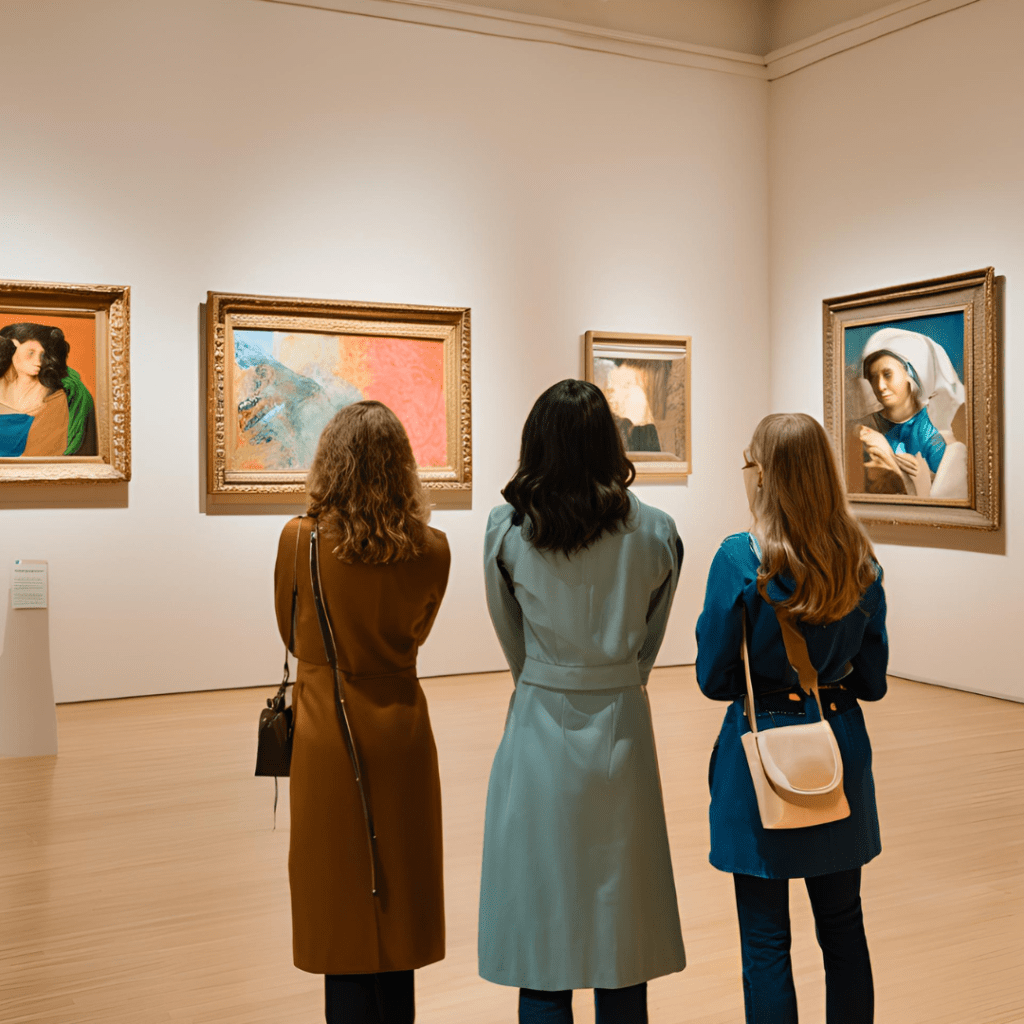
Art isn’t just about pretty things hanging on walls. At least, it shouldn’t be. It’s the unnoticed mural on a forgotten street corner, the masterpiece in a museum, or even the splash of graffiti scrawled in the dead of night. Art is supposed to make us feel — not that polite nod of approval when you pass by a painting in a gallery, but the kind of feeling that sneaks up on you. The kind that makes you stop mid-step and think about what you just saw. It can make us smile or frown. For some, art inspires admiration; for others, it brings discomfort. Isn’t that the point? Not all art exists to please us, like colorful, beautiful landscapes that bring you back to your happy childhood.
Some of it is meant to unsettle, to stir something deep inside — even if that something is anger, confusion, or reflection.
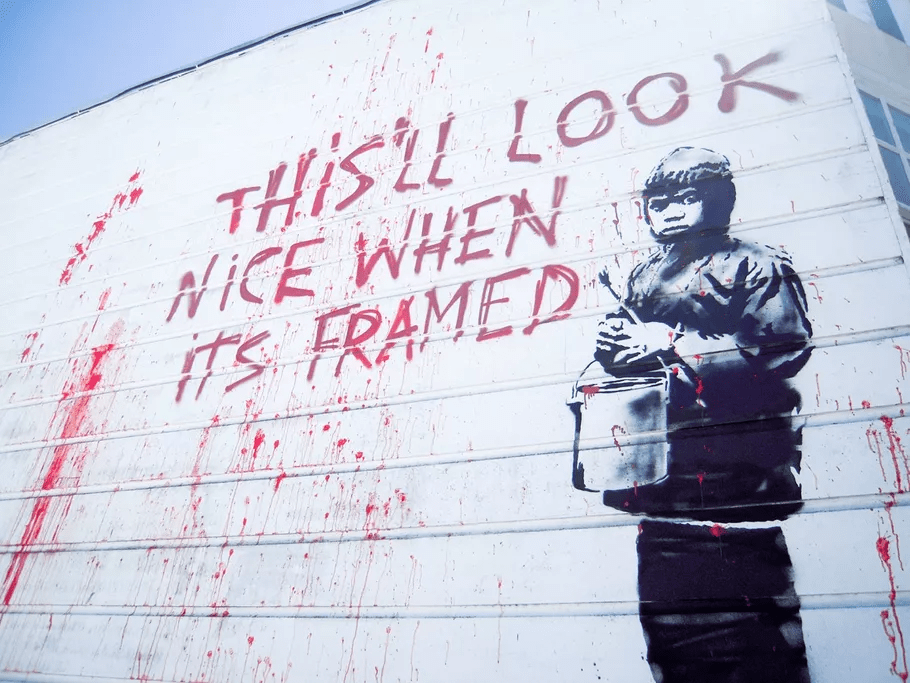
Art is a challenge; it doesn’t need permission to exist. Some pieces have the power to confront us with realities we’d rather ignore. Banksy, the artist without a name or a face, is a shadow with both fans and haters. Is Banksy a man or a woman? An individual or a group? Their work transforms a blank wall into a statement — or is it a question? Their stencils ignite cities with debate and controversy. Are they a genius or a vandal? A rebel for the people, an artist, or just someone who enjoys poking the system? Banksy doesn’t give us answers. They are not worried about titles. Instead, they hand us riddles and leave us to wrestle with them on our own.
Also known as “poetic terrorism,” their art style is a unique blend of creativity and politics. Strange choice of words, isn’t it? But also strangely fitting. It’s art that doesn’t decorate; it disrupts. It doesn’t comfort; it provokes. Not every piece of art needs to soothe us. Banksy’s work demands we look harder, feel deeper, and think differently. A little girl letting go of a balloon? Perhaps she is not just a little girl. She’s hope slipping away — or resilience rising up. A wall transformed by a few strokes of paint is no longer a wall — it’s a megaphone for voices we’ve learned to ignore.
Not everyone sees it this way, though. For every person impressed by a Banksy piece, there’s someone shaking their head: “It’s not real art.” Others accuse them of being a sellout — too commercial for someone who claims to critique the very system they now profit from. And yet, here we are, talking about them, thinking about their work. Love them or hate them, you won’t be the same after seeing what they do. And maybe that’s the point. An innocent little girl and a war soldier — isn’t that scene a little too familiar these days? The closer we look, the louder these images scream.
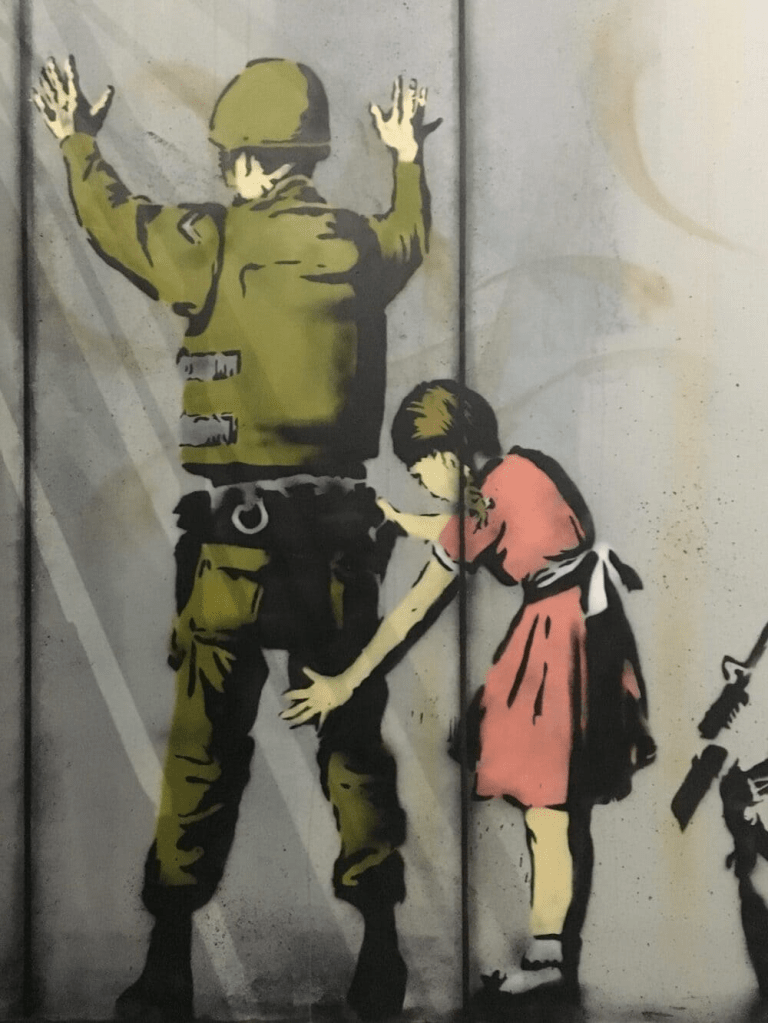
Perhaps we’re not meant to understand art. Maybe it’s okay to feel puzzled, or even annoyed. Art isn’t about solving puzzles; it’s about feeling something. Banksy’s work doesn’t come with a manual. It comes with questions. It asks us to see the world, not just pass through it. Artworks like Banksy’s are not here to make us comfortable — they are here to make us feel.
And maybe that’s why we can’t forget them.

 Culterate Blog
Leave a comment