In the intricate ballet of today’s culinary world, where the newest gadgets and trending diets often steal the spotlight, there’s a quiet revolution happening in our kitchens. It’s not about the latest molecular gastronomy technique or an airlift of some superfood from some remote corner of the Earth. Instead, it’s about rediscovering ancient methods of food preservation—techniques that our ancestors relied on for survival, which are now resurfacing as heroes in our fight against modern dilemmas like food waste, sustainability, and climate change.
The Art of Time Travel on Your Plate
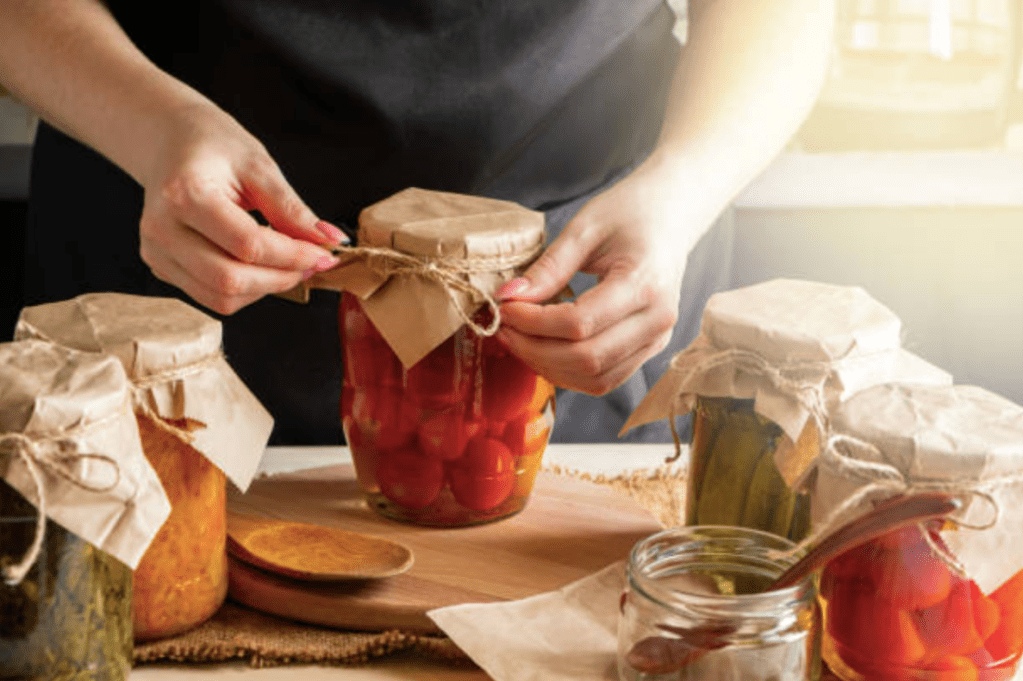
Imagine your kitchen as a time machine. Every jar of kimchi or slice of cured meat is not just food; it’s a portal to centuries past. Take fermentation, for instance, the process behind sauerkraut, kimchi, and yogurt. Originating from the need to preserve food before the advent of refrigeration, fermentation uses beneficial bacteria to transform perishables into durable, flavourful staples. This method, which has been around since ancient China and Mesopotamia, not only extends the life of food but also enriches it with probiotics, enhancing our gut health—a concept that’s very much in vogue today.
Then there’s smoking, another ancient technique where meat or fish is preserved by the antimicrobial properties of smoke. Indigenous peoples around the world, from Native Americans to Nordic Vikings, mastered this art. Now, in our era of industrial food production, smoking is not just about preservation but about adding layers of flavour, connecting us to a past where food was a direct link to the land and life.
Modern Challenges, Ancient Solutions
Fast forward to today, where we face the dual crises of food waste and environmental degradation. According to the FAO, one-third of all food produced globally goes to waste. Here, ancient preservation methods offer a solution. Fermentation, for example, can turn would-be waste into valuable resources. Vegetable scraps can become a base for kimchi or pickles, reducing waste while promoting a diet rich in nutrients.
Moreover, the sustainability angle is compelling. These traditional methods are low-energy; they don’t require the electricity that modern refrigeration does, thus reducing our carbon footprint. In a world increasingly aware of climate change, embracing these techniques is akin to learning from the past to save the future.
The Social Media Ferment
The resurgence of these methods isn’t just a whisper among chefs or food historians. Social media platforms like Instagram and TikTok have become the modern town squares where these ancient practices are celebrated. From #SourdoughStarters to #PickleTok, people are sharing their experiments with fermentation, smoking, and curing, creating a global community bonded by the love for food that’s both delicious and sustainable.
This digital revival is not just about nostalgia; it’s a call to action. It’s about democratizing knowledge, making the wisdom of ancient cultures accessible to everyone. It challenges the narrative that progress is only forward-moving, highlighting how sometimes, looking back can propel us towards a more sustainable future.
The Cultural Feast
Beyond their practical benefits, these preservation methods are a feast of culture, each carrying stories, traditions, and a sense of identity:
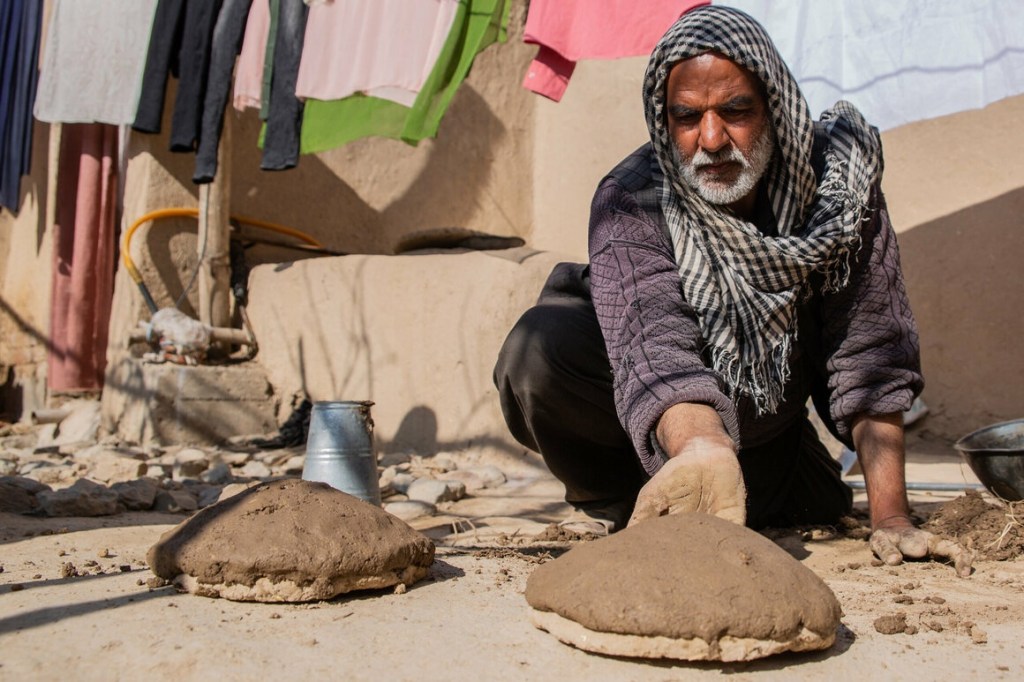
Kangina of Afghanistan
In Afghanistan, the traditional method of ‘kangina’ involves preserving grapes in mud straw containers, allowing them to last for months, showcasing a deep connection to the land and seasons.

India’s Art of Pickling
In India, the art of pickling, which can be traced back thousands of years, continues to be a vital part of the culinary culture, with each region having its unique recipes and methods, often using sun-drying and fermentation.
Indigenous Preservation Techniques
Among the indigenous peoples of North America, smoking and drying meats have been practiced for millennia, with techniques varying by tribe but universally aimed at preserving food for long winters, reflecting a deep respect for nature’s cycles.

This is particularly poignant in a world where globalization often homogenizes cultures. By engaging with these techniques, we’re keeping the diversity of human culinary heritage alive, one jar or piece of meat at a time.
Conclusion: A New Framework for Food Culture
In our kitchens, we’re not just cooking; we’re creating a narrative where the past informs the future. These ancient preservation methods are not relics to be admired from afar but tools we can wield in our daily lives to combat waste, celebrate cultural heritage, and perhaps, in a small way, heal the planet. They remind us that in the quest for sustainability and cultural richness, sometimes the answers lie not in the new, but in the old, beautifully reimagined for our times.
So next time you stand in front of the fridge full of vegetables or reflect on the ecological footprint of your dinner, think back to the art of preservation. You might find that by preserving food, we are also preserving our connection to the earth, to each other, and to the rich fabric of human history.

 Culterate Blog
Leave a comment