“Nonfiction writers have to find a balance of very deep emotional and a kind of investigative work.”
“It truly only takes one editor to recognize your work.”
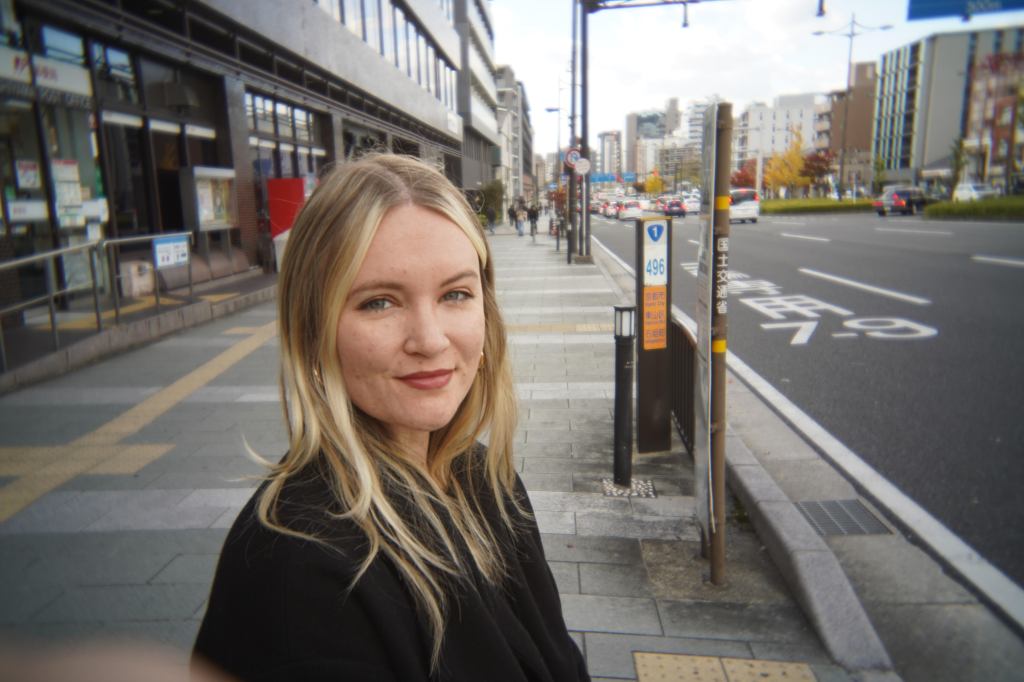
Erika Gallion Velasquez is a Los Angeles based writer originally from Canton, Ohio. Her creative writing has been published in Entropy, Angel City Review, Women’s Review of Books, HerStry, The Racket, NiftyLit, Apricity (nominated for Best of the Net), Always Crashing, and elsewhere. Most recently her the title essay of her memoir, Paradise is Ours, was chosen as the 2024 winner of the Cincinnati Review Robert and Adele Schiff award for literary nonfiction. For more information visit www.erikagallion.com and/or @fictitiouserika on Instagram.
What led you into writing creative nonfiction?
As a kid I was always into journaling. In my teenage years this interest transitioned to posting on Xanga and then MySpace. I think I’ve always been drawn to observing people around me, how they interact, how they do or do not disclose their emotions. My first writing workshop in undergrad included an essay assignment; that workshop transformed the way I saw my writing. I had a great writing mentor, Joe Mackall, who introduced me to the great Essayists: Joan Didion, Cheryl Strayed, etc. Reading their work also helped validate my desire to write Truth.
Could you tell us about your creative process behind Putrid Shades of Summer? What do you wish readers would take away from this story?
This flash essay was birthed out of a really traumatic time in my life– I’d experienced a lot of different kinds of loss (friend breakup, a high school friend overdosing, a very close friend dying suddenly) within a two month time frame. I wanted to write about how alien the grief made me feel, how radioactive I felt in my loneliness. The format of flash (1,000 words or less) and the organizational tool of Charli XCX’s BRAT album helped me dial in to the real heart of the pain and write through it. I’d like readers to come away from reading Putrid Shades of Summer feeling less like a freak in their own processing of death and loss. Existential pain is incredibly heavy, and it’s ok to be experiencing it.
Congratulations on winning the 2024 Robert and Adele Schiff Award for your essay Paradise Is Ours! When talking about the writing process, you mentioned shifting your perspective on the subject matter from anger to empathy. How do you approach viewing events in your life from new angles and turning them into stories, whether in this essay or your other works?
Thank you! :). I mentioned earlier that first essay I wrote in my undergrad writing workshop– that essay was actually a very, very early version of Paradise is Ours. I had no idea, at the time, that I’d still be writing about my father and our family history years later and that the project would become a memoir. That first draft was full of anger and resentment because I was still living within the anger. I hadn’t forgiven my father for the things I was writing about and you could feel it on the page. I think as I aged (I’m 32 now) I naturally began seeing my father in a different light– also watching him age has softened those sharp feelings of anger. For me the biggest shift in writing was that I just became more curious; instead of focusing on ‘how could he do X’ I thought about ‘why would he do X’ or ‘what in his past would have led to X.’ It completely changed the tone of my writing on even a sentence level. At times I thought of myself as a journalist or even an archaeological excavator, just trying to get as close to the truth as possible. I think nonfiction writers have to find a balance of very deep emotional work and this kind of investigative work– that’s what my favorite nonfiction writers do and what I love to read.
What advice would you give other authors in their publishing journey?
KEEP GOING. I only started sending my writing out for publication in 2018. I delayed because I was terrified of rejection, which is funny to think about now because I am very, very used to rejection at this point. Rejection is necessary and inevitable, so I’d also recommend pacing yourself. What’s worked well for me is making sure on writing days I’m only writing and not focusing on editing or submitting; on submitting days I’m only doing that and not trying to write anything new. It’s important for me to give focus and energy to whichever action I’m doing that day. Don’t get discouraged by rejection– it truly only takes one editor to recognize your work. Also, get that first draft completely OUT on the page before you edit! That’s been so hard for me to do but it really is the only way through.
Lastly, what book do you wish you could read again for the first time and why?
I love this question! I’m going to stick with memoir since we’re talking all things nonfiction. MEN WE REAPED by Jesmyn Ward is my pick. I loved it so much on my first read and would love to experience that thrill again– Ward’s writing is powerful, surprising, and healing in a way I deeply admire.
.
.
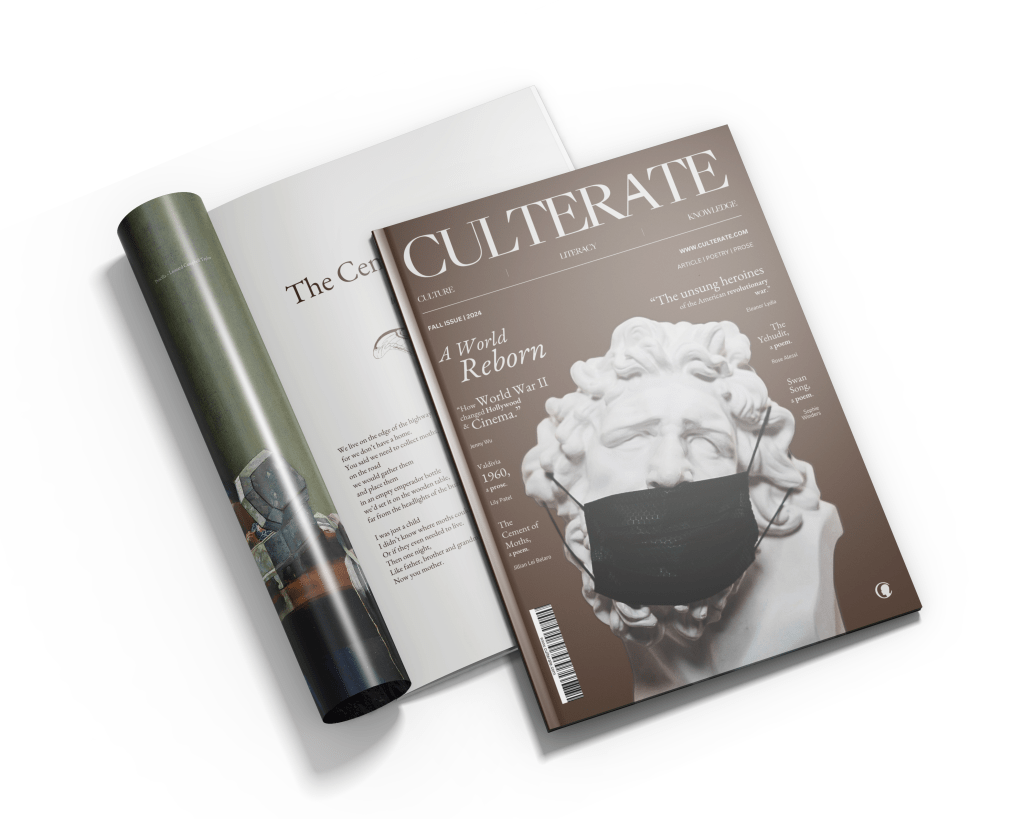
Read Erika’s Putrid Shades of Summer in Culterate’s Issue I: A World Reborn!

 Culterate Blog
Leave a comment