
When I first delved into the world of literature, I was struck not just by the stories themselves but by the shadows they cast – shadows of medicine, health, and the human body. From Edgar Allan Poe’s chilling tales to Gabriel García Márquez’s surreal stories, literature has long been a mirror reflecting our societal fears, ethics, and evolution in medical practices. In exploring this, I propose to journey through time, examining how now-obsolete medical practices have been critiqued, feared, or revered in global literature. This article will offer insights into historical perceptions of health and the human body.
Poe’s Gothic Horrors: Medicine as a Mirror of Fear

My journey begins with Edgar Allan Poe, whose works like “The Premature Burial” and “The Pit and the Pendulum” expose the dark side of medicine in the 19th century. Poe’s narratives are drenched in the terror of medical practices that were, by today’s standards, barbaric. I remember reading about the fear of being buried alive, a real concern in an era without definitive ways to confirm death. This dread permeates his stories, critiquing the lack of patient’s consent and the invasive nature of medical procedures. Poe’s portrayal captures the essence of medical ethics at a time when the Hippocratic Oath was more theoretical than practical.
Victorian Gothic: The Blood of Medicine
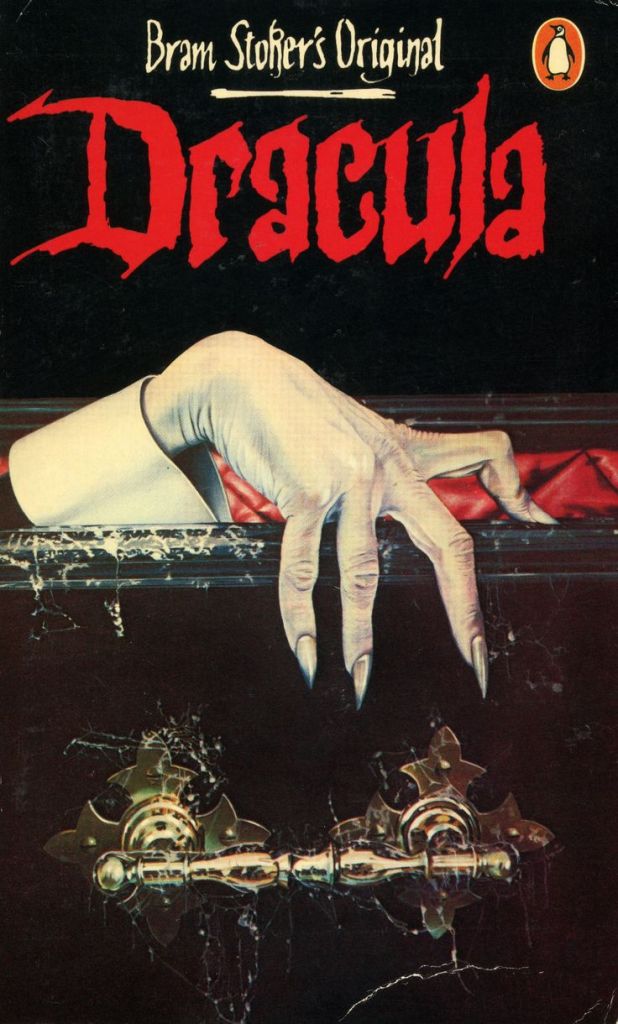
Moving forward, the Victorian era, with its fascination for the macabre and the scientific, brings us to Bram Stoker’s “Dracula.” Here, medicine and horror intertwine; bloodletting and transfusions are not just medical practices but pivotal plot points. Stoker uses these to explore not just the fear of disease but also the ethical boundaries of medical intervention. The novel reflects the public’s ambivalence towards medicine – a source of both salvation and potential terror.
Latin American Magic Realism: Medicine as Metaphor

As I explored further, I was captivated by how Latin American authors, particularly Gabriel García Márquez in “One Hundred Years of Solitude,” weave medical practices into their stories. The medical field becomes metaphorical; insomnia and yellow fever outbreaks symbolize societal malaise. Márquez critiques the corruption and neglect in healthcare, mirroring the political and social issues of the time. Here, medicine isn’t just about healing but about the very soul of a culture, its identity, and its struggles.
Modern Reflections: Medical Ethics in a New Light

Bringing us to contemporary literature, Kazuo Ishiguro’s “Never Let Me Go” offers a haunting look at the ethics of modern medicine. The novel delves into the concept of organ donation and human cloning, questioning autonomy and the commodification of life. It’s a stark reminder of how historical practices of viewing the body as a resource have evolved into new ethical dilemmas, reflecting on consent, human rights, and the moral implications of scientific advancement.
Connecting the Past with the Present
Through this literary journey, I’ve come to appreciate how these stories connect past and present. They:
- illuminate medical ethics – from the consent issues in Poe’s time to the autonomy debates in Ishiguro’s dystopia, literature has always questioned the ethical boundaries of medicine.
- highlight patient autonomy – these stories highlight the fight for control over one’s body, a theme that resonates with today’s patient rights movements.
- echo cultural fears of illness – the portrayal of pandemics or mysterious diseases in literature mirrors our ongoing anxieties about health, death, and the unknown, offering a historical perspective on how we deal with such crises.
Conclusion
In conclusion, as I reflect on these tales, I realize that literature doesn’t just record history; it interrogates, challenges, and sometimes heals it. Through the lens of these stories, we gain not only historical insights but also a deeper understanding of our current medical landscape. They remind us of medicine’s dual nature as both a savior and a subject of fear, urging us to consider the ethical, cultural, and personal dimensions of health care. This exploration into literature’s portrayal of obsolete medical practices not only enriches our understanding of history but also informs our approach to contemporary health debates—proving, once again, why stories matter.

 Culterate Blog
Leave a comment