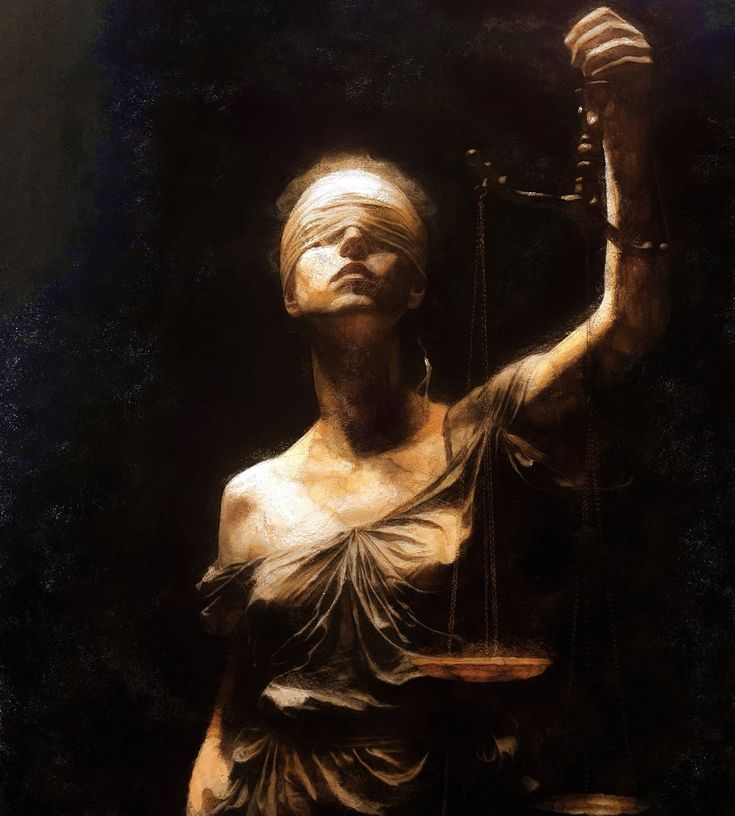
Life, much like the scales of justice, teeters between opposing forces—right and wrong, virtue and vice—hovering delicately on either side. Yet, the scales I envision are not the precise instruments of a scientist or chef, but the figurine of Lady Justice: blindfolded, holding the weight of moral dichotomy in her hands, symbolising balance amidst chaos. There is an inherent irony in how we are taught to cherish life, to nurture it as tenderly as we would a loved one, while simultaneously being thrust into a series of relentless circumstances and societal pressures that often shape us into beings we never intended to become.
We witness the cruel shaping of innocence—young women assaulted before they even understand their own worth, young men drawn into the violent shadows of knife crime. The utilitarian world around us champions the notion that small sufferings might be justified by a greater good, but at what cost? I am reminded of a harrowing case, a paedophile whose crimes devastated countless lives. Unbeknownst to all, a deadly brain tumour drove his compulsions—an unseen force beneath the surface of his monstrous acts. Does this tragic revelation offer a glimpse of utilitarian logic at work? His suffering may have led to medical intervention, perhaps even to the cessation of his heinous crimes. But can such atrocities, borne from pain and ignorance, truly be considered a “necessary” evil in the pursuit of a greater good?
— K
 Culterate Blog
Leave a comment