
At first glance, journalism and literature seem like worlds apart, but when you look closely—adjusting the lens of your loupe—you’ll find remarkable similarities between them.
What draws literature closer to journalism is their style of writing. Authors of fiction employ specific techniques to evoke emotion and vividly depict characters and settings, creating a sense of intimacy between the reader and the narrative.
Instead of merely recounting a witness’s words, a journalist can dive deeper into the scene—describing the witness’s clothing, their emotional state, and non-verbal cues. Were they anxious? Did their voice tremble? Did they struggle with their response? These literary elements can enrich the narrative, transforming a straightforward account into an immersive experience for the reader.
Though journalism is grounded in fact and prioritizes accuracy and impartiality, there has been a growing recognition that the emotional resonance of a story can influence how readers engage with the information.
This shift began in New York, where a group of students demonstrated that journalism could harness literary techniques to craft memorable and informative narratives simultaneously. This era is now known as “New Journalism.”
The rise of Literary Journalism
Literary journalism, often referred to as New Journalism, is a prominent writing style that emerged in the United States during the 1960s, gaining significant traction in the following decade. Officially recognized in 1973, it represented a revolutionary shift aimed at breaking away from entrenched norms in journalism, particularly the ideals of objectivity and impartiality.
During this transformative period, prominent journalists like Tom Wolfe, Truman Capote, Gay Talese, and Hunter S. Thompson thrived by pursuing innovative projects. They introduced unique ways of presenting stories and information that resonated deeply with audiences.
Tom Wolfe, in particular, emphasized that New Journalism was a response to the rigid conventions of factual reporting. He identified four techniques mirroring the narrative styles used by fiction writers, allowing journalists to tell stories with greater depth and engagement. These techniques helped bridge the gap between factual reporting and the emotional truth of storytelling, inviting readers into a more immersive experience:
- Build one scene at a time
- Register the full dialogue from the interview
- Use a 3rd person point of view
- Give details about the main character, highlighting their personality
By embracing and practicing the literary style of writing, journalism evolved beyond merely sharing basic facts like occupations or ages of those involved in a story. It began to illuminate a more human narrative—this emphasis on humanity is a hallmark of New Journalism. It allows journalists to convey empathy towards the individuals whose stories they are telling, deepening the connection between the writer, the subject, and the reader.
The art of storytelling
This newfound approach to journalism not only transformed how stories were told but also emphasized the importance of individual experiences and connections. Gay Talese, for instance, referred to this phenomenon as his “serendipity.” He experienced fortunate encounters that often led him to extraordinary individuals, all stemming from his spontaneous night walks through New York City. These chance meetings allowed him to uncover rich stories hidden in the everyday lives of people.
The ability to craft unique narratives and delve into the emotional fabric of these stories was a compelling reason many journalists gravitated toward New Journalism. It offered them a renewed sense of purpose and creativity, enabling them to engage with their subjects and audiences in a profound way.

Storytelling—the art of narrating stories—is a vital skill shared by both literature and journalism. It encompasses the ability to convey intricate details, develop the lives of central characters, and weave descriptions that infuse emotion and depth into the narrative.
Naturally, literary journalism tends to elongate stories due to the wealth of details and the variety of sources involved. Journalists like Hunter S. Thompson exemplify this approach by immersing themselves in the communities they aim to portray.
Through active participation and exploration, they gather authentic insights into people’s lives and thoughts, ultimately enriching their narratives with genuine human experiences.
Moreover, stylistic freedom stands out as a crucial aspect of blending literature with journalism. This freedom allows for more sensitivity and creativity in writing, enabling journalists to build scenes that invite readers to feel like participants in the story rather than mere spectators. It is at this juncture that journalists often step away from strict objectivity, embracing a more narrative-driven approach to their work.
This shift fosters a connection with the audience, transforming factual reporting into compelling storytelling that resonates on a human level.
Books: the main product of Literary Journalism
A hallmark of literary journalism is undoubtedly the book, typically published by established publishing houses, where journalists invest months or even years meticulously crafting a complete narrative.
These works distinguish themselves from fiction, as they are firmly rooted in recounting true stories. As non-fiction, they present a wealth of facts and information that allow readers to piece together broader contexts from various perspectives.
To achieve this nuanced storytelling, the author—often a journalist—selects their words, writing style, and descriptive elements with great care. These choices not only enhance the reader’s comprehension of the storyline but also vividly illuminate the settings and unique characteristics of the individuals involved.
Through this artful crafting, readers are drawn into the narrative, engaging their emotions and encountering intriguing details that surprise and enlighten. What sets this writing style apart is its emphasis on storytelling, a point we’ve highlighted previously.
Effective storytelling becomes essential for exploring complex themes and subjects that often evade the spotlight of everyday news coverage. In literary journalism, readers discover not just raw facts, but the rich, personal narratives of real individuals navigating the same world as we do.
These narratives often reveal how significant events have altered their lives, providing insights and depth that traditional news often overlooks.
Brazilian authors that represent journalistic literature
Brazil boasts a vibrant landscape of communication companies, with numerous hosts, anchors, and reporters gaining national recognition. When discussing literary journalism, two names stand out: Chico Felitti and Caco Barcellos.
Chico Felitti is a multifaceted talent—writing, journalism, sociology, screenwriting, and podcasting. His book Ricardo e Vânia exemplifies his literary prowess. This captivating narrative follows the life of Ricardo, a street artist and hairdresser fluent in French and English, who faces the challenges of schizophrenia and embraces his identity as a drag queen while struggling with an addiction to plastic surgery.
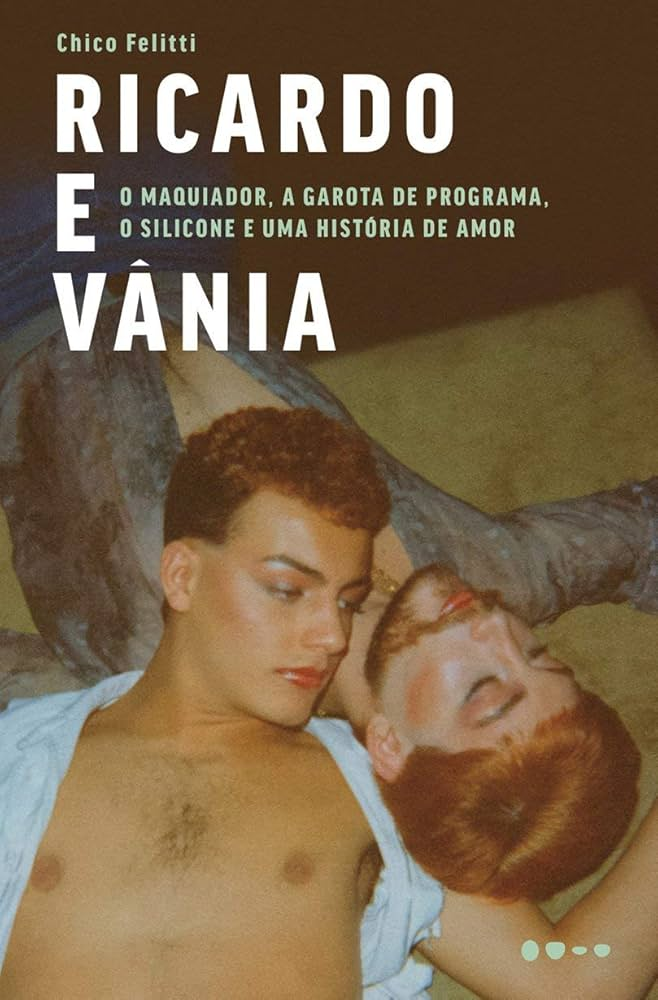
It’s a heartbreaking story, beautifully and simply written, that unfolds over four months of investigation. Felitti chooses short phrases and includes vivid descriptions of the weather, the atmosphere when he met Vânia, and details about the days of each month he captured this information. The result is an immersive reading experience. He employs comparisons and intricacies about the characters’ postures during interviews, helping us visualize the scenes and empathize for their struggles.
In a similar vein, Caco Barcellos is a renowned journalist, writer, and TV reporter. He is the author of Route 66, an investigative work that critiques corruption and abuse of power by the Military Police in São Paulo, Brazil.

Route 66 stands as a landmark in Brazilian literary journalism and a big example of Caco’s mastery in investigative storytelling. He dedicated seven years to finding sources and gathering information before releasing the book in 1992. His meticulous analysis of 4,179 prison profiles uncovered shocking details about police organization and abuses that horrified many readers.
In the book, Barcellos systematically narrates scenes and various situations, using statistics to substantiate every fact while incorporating full dialogues from prisoners throughout the chapters. This methodical approach not only brings the story to life but also reinforces the gravity of the issues at hand.
Conclusion
Chico Felitti and Caco Barcellos exemplify the distinctive literary qualities that journalism can embody.
On one hand, Chico’s writing is defined by a poetic style, marked by his careful word choices and evocative descriptions. His approach immerses readers in the emotional landscapes of his subjects, encouraging a profound connection to their experiences.
On the other hand, Caco Barcellos adopts a more objective, data-driven narrative. His intense descriptions and systematic analysis create compelling, fact-based accounts that confront serious issues with clarity and precision.
Both styles are effective, demonstrating the versatility of literary journalism.
Despite their differing approaches, Felitti and Barcellos share a common goal: to illuminate the stories of individuals or groups who often remain unseen or unheard in daily life.
This is where the paths of journalism and literature cross. Journalists are fueled by the desire to uncover and share narratives that are frequently overlooked or unknown, while literature provides the framework to weave together information and personal stories.
This blending creates a narrative rich with facts and detailed observations, infusing the reading experience with both power and humanity. Through their works, they exemplify how literary journalism can bring to light important social issues while reminding us of the human experiences behind the headlines.
Moara Flausino
AUTHOR
Moara is a journalism student from Brazil with a passion for literature, poetry, and art. Since 2021, she has been working in writing and content creation, and she has two poems published in anthology books of poetry. Learning new things excites her, and she believes that embracing different forms of writing and expression is always inspiring. Her goal is to write as many stories as she can, sharing their uniqueness with the world.
 Culterate Blog
Leave a comment