
Vintage art styles never truly fade—they always resurface in different forms, reinterpreted by new generations. From the tinted photographs of 1920s, grainy film aesthetics of the 60s to the youthful 90s Y2K style, it seems as if vintage trends remain timeless and people continue to be fascinated by them. But why are we so drawn to retro art?
The Charm of “Imperfection”
Vintage art embraces imperfections—grainy textures, uneven brushstrokes, and faded colors. These elements add character and a sense of humanity to the artwork. In contrast, modern art often feels overly polished and neat, sometimes lacking the richness of older designs. Hand-drawn illustrations and traditional printing techniques naturally come with flaws—scratches, noise, and misalignments. Rather than diminishing their value, these imperfections create depth and individuality, making each piece feel like a story rather than just an image.
Nostalgia and Emotional Connection
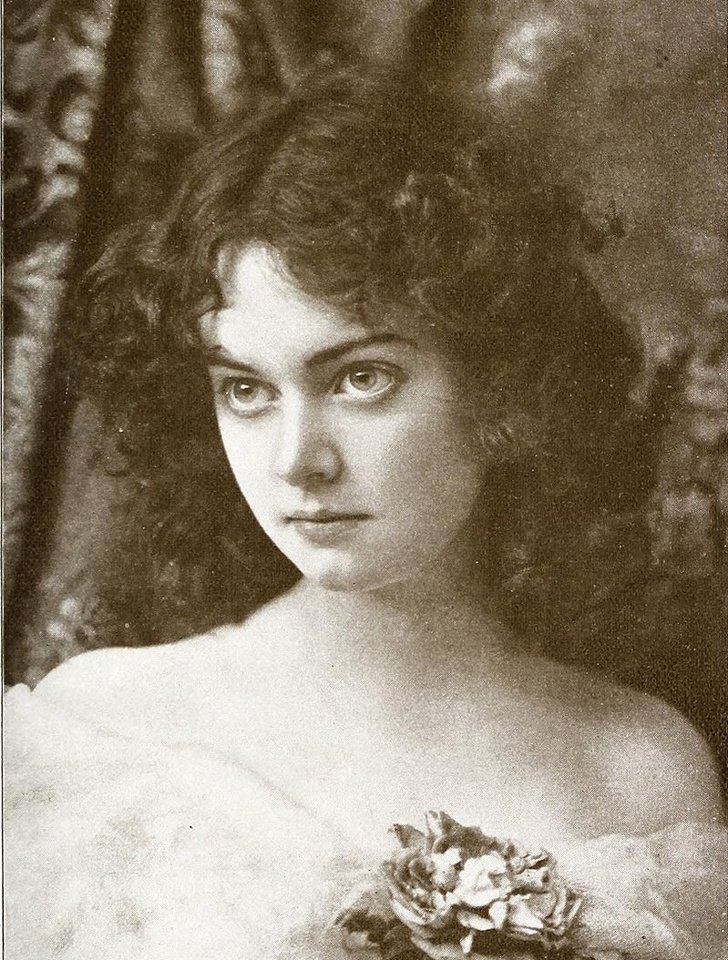

Vintage art styles evoke a sense of nostalgia, even for time periods we never lived through. The warm, faded colors of old photographs or the intricate illustrations of 19th-century books evoke a sense of comfort and familiarity. People associate the past with simplicity, craftsmanship, and a world untouched by digital overload. Nostalgia is a powerful emotional trigger that makes people feel connected to the past, whether real or imagined.
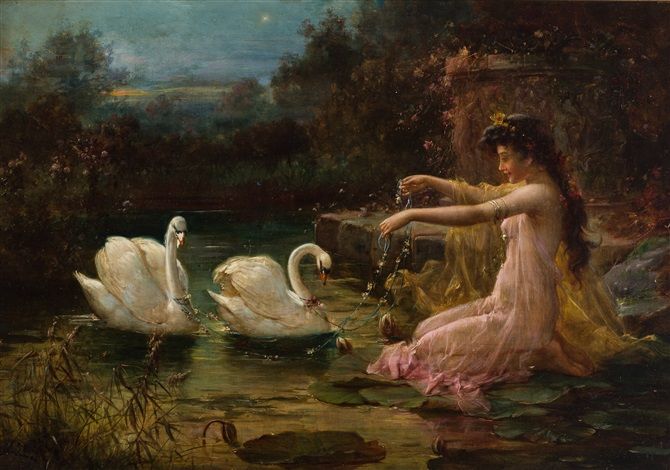
Additionally, the idea of being a timeless beauty is also why vintage art remains appealing. Certain styles, like Renaissance paintings or Art Deco designs, continue to inspire because they were crafted with deep artistic intent and lasting impact. Despite being over a century old, these styles still resonate emotionally and visually in modern art and culture.
The Influence of Pop Culture and Media
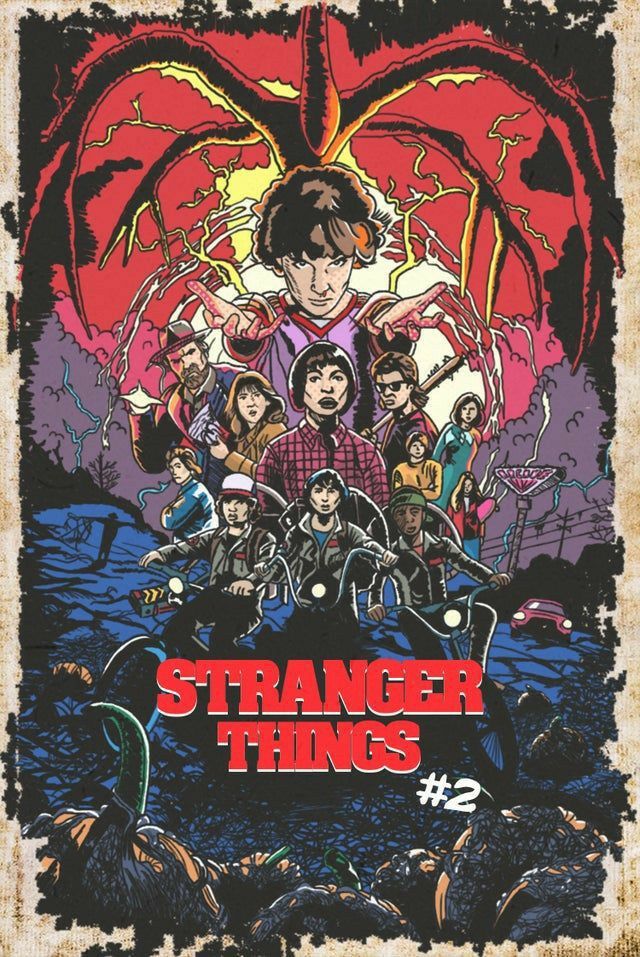

Pop culture and media play a massive role in reviving and romanticizing vintage art styles, making them feel relevant across generations. Films, TV shows, music, and fashion constantly recycle past aesthetics, reintroducing them to new audiences.
Most popular examples include Stranger Things, which brought back 80s nostalgia with neon colors and VHS textures, while La La Land reintroduced old Hollywood charm with its dreamy cinematography.
Beyond entertainment, social media platforms like Instagram and TikTok accelerate vintage revivals, by reintroducing retro filters, film photography, and hand-drawn designs. Whether through fashion or music videos, media continues to shape and sustain the love for nostalgic aesthetics.
Final Thoughts
Vintage art styles continue to captivate us because they offer more than just visual appeal—they evoke emotion, nostalgia, and a longing for authenticity. Whether influenced by pop culture, personal memories, or a desire to escape the digital age, these aesthetics remind us of a time when art felt more personal and crafted with intention. As trends come and go, one thing remains certain—the past will always find its way back into the present.
Mahnoor Tariq
AUTHOR
Mahnoor is a writer and designer with a deep passion for art, culture, and storytelling. She is dedicated to exploring overlooked narratives and bringing unique perspectives to light. Creativity is the driving force behind her work. When not writing, you can find her drawing, exploring new ideas, and immersing herself in the world of art.
 Culterate Blog
Leave a comment