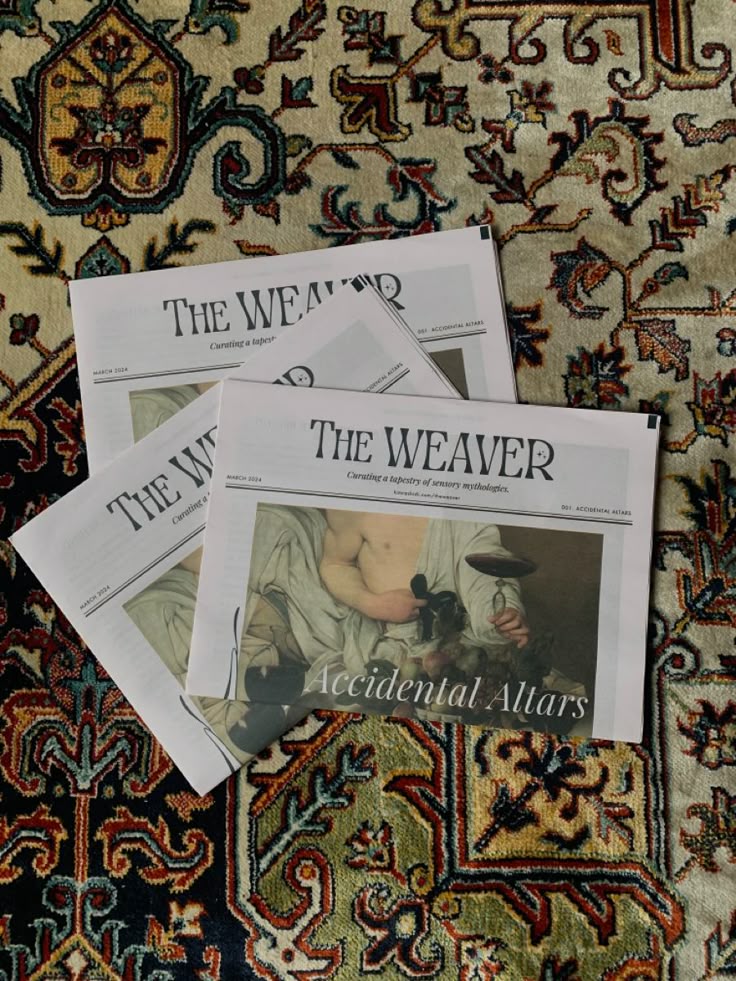
In an era dominated by digital content and rapid consumption, literary magazines and small presses—once the beating heart of independent literature—are facing unprecedented challenges. These niche publications have long been the breeding ground for emerging voices and experimental writing, but today they operate on shoestring budgets and struggle to capture dwindling audiences. This article examines the causes behind their decline, the impact on the literary landscape, and potential pathways to rejuvenate these vital cultural institutions.
The Changing Landscape of Literary Consumption
Literary magazines and small presses have traditionally provided a platform for short fiction, essays, and poetry that push the boundaries of conventional storytelling. However, as digital media becomes increasingly prevalent, readers are gravitating toward mainstream platforms that offer instant gratification and easily digestible content. This shift in consumer behavior has led to:
Reduced Engagement: The allure of quick-consumption digital content has diverted attention from the more reflective, nuanced works found in literary magazines.
Audience Fragmentation: With the explosion of self-publishing and online content, the competition for readers’ attention is fiercer than ever, leaving niche publications struggling to carve out their space.
Financial Strains and Operational Challenges
One of the most significant hurdles for literary magazines and small presses is their chronic underfunding. Operating on minimal budgets, these institutions face several financial and operational constraints:
Limited Resources: With meager financial backing, many small presses cannot invest in robust marketing or distribution networks, which are critical in today’s competitive market.
Sustainability Issues: Relying heavily on grants, donations, or sporadic subscription revenue makes it difficult to plan long-term, stifling innovation and growth.
Risk of Closure: The combination of shrinking audiences and constrained budgets means that many of these publications are at risk of disappearing altogether, taking with them a rich diversity of literary expression.
The Vital Role of Independent Literature
Despite these challenges, literary magazines and small presses remain indispensable to the literary ecosystem:
Nurturing New Voices: They offer a platform for writers who might not fit the mainstream mold, fostering diversity and inclusivity in literature.
Encouraging Experimentation: These publications are often more willing to take risks with unconventional narrative forms and themes, driving literary innovation.
Cultural Preservation: Beyond literature, they serve as cultural archives that document the evolving social and artistic movements of our time.
Pathways to Revitalization
To ensure the survival and growth of literary magazines and small presses, stakeholders must consider innovative solutions that adapt to the digital era while preserving the unique value these institutions offer:
Digital Transformation: Embracing online platforms can expand reach and reduce operational costs. Hybrid models that combine physical issues with digital editions may attract a broader audience.
Crowdfunding and Community Support: Direct funding from readers through platforms like Patreon or Kickstarter can provide a steady revenue stream, fostering a sense of community ownership.
Collaborative Partnerships: Forming alliances with educational institutions, cultural organizations, and other media outlets can create synergistic opportunities for cross-promotion and resource sharing.
Targeted Marketing Strategies: Leveraging social media and digital marketing can help these publications connect with niche audiences that appreciate independent literature.
Conclusion: Preserving a Literary Legacy
The decline of literary magazines and small presses is not just a loss for writers but for the entire literary community. These institutions have been the unsung heroes of literary innovation, offering a home to voices and ideas that often challenge the status quo. As digital consumption reshapes the literary landscape, it is imperative that we explore creative strategies to support and revitalize these cultural cornerstones. Only through collective effort—be it through innovative funding models, digital adaptation, or community engagement—can we ensure that the independent spirit of literature continues to thrive in the modern age.

Refilwe Queen
AUTHOR
Refilwe Queen is a passionate freelance writer dedicated to exploring the complexities of human existence through her work. She brings a fresh perspective to storytelling, blending creativity with thoughtful analysis to create content that engages and inspires. Driven by an insatiable curiosity, Refilwe seeks to uncover new ideas and share insights that encourage others to think deeply and live authentically.
 Culterate Blog
Leave a comment