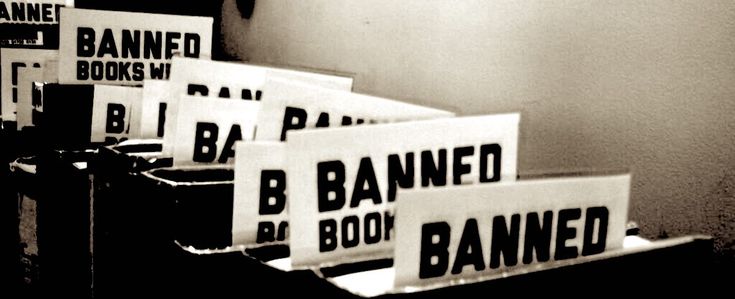
Book bans have been a recurring phenomenon throughout history, often reflecting societal anxieties, political struggles, and cultural shifts. In recent years, the resurgence of book bans, particularly in schools and public libraries, has reignited debates over censorship, intellectual freedom, and the role of literature in shaping public discourse. Understanding the historical context of book bans provides crucial insights into the consequences of restricting access to knowledge and the ongoing battle for free expression.
History of Book Bans

The practice of banning books is not new. From religious institutions to authoritarian regimes, books have been targeted for containing controversial or threatening ideas.
- Ancient Times: In 213 BCE, Chinese Emperor Qin Shi Huang ordered the burning of books that contradicted his rule, eliminating diverse philosophical perspectives.
- The Middle Ages: The Catholic Church’s Index Librorum Prohibitorum (Index of Prohibited Books), established in 1559, sought to control religious doctrine and suppress heretical thought.
- Nazi Germany: In the 1930s, the Nazis conducted mass book burnings, targeting works by Jewish authors, political dissenters, and intellectuals opposed to their ideology.
- McCarthy Era (1950s): The fear of communism in the United States led to the blacklisting of books and authors accused of spreading socialist ideas.
Modern Trends in Book Banning
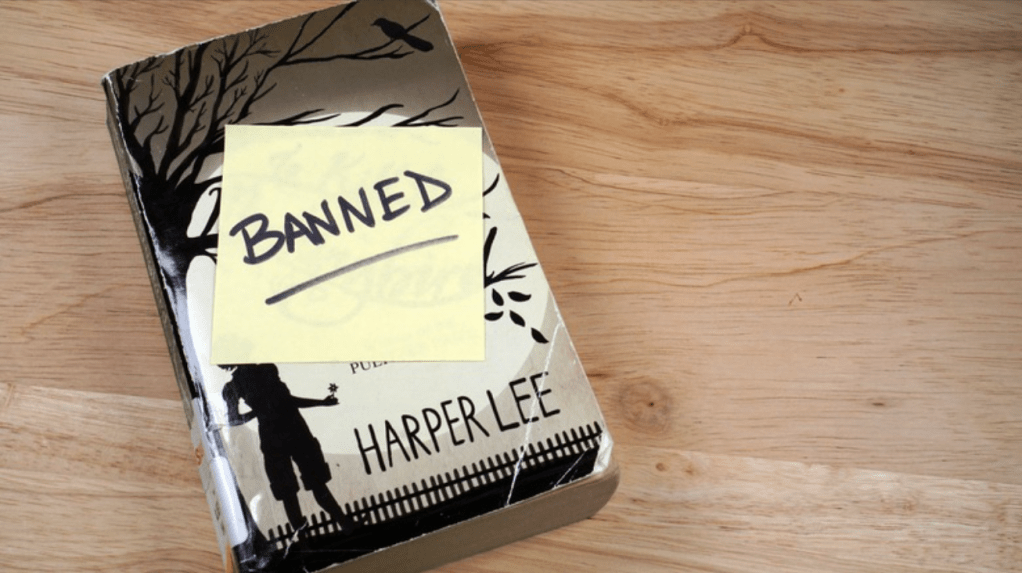
While historical book bans were often imposed by centralized authorities, today’s censorship efforts frequently originate at local and community levels, particularly in educational settings. In recent years, certain books have been challenged or removed from libraries and schools for addressing issues related to race, gender, sexuality, and politics.
- Books on Race and History: Titles like To Kill a Mockingbird and The 1619 Project have faced challenges for portraying racial injustice.
- LGBTQ+ Representation: Works such as Gender Queer and Maus have been removed from curricula due to concerns about age-appropriateness and ideological disagreements.
- Political and Social Themes: Books addressing contemporary social issues, including 1984 and The Handmaid’s Tale, continue to be challenged for their critical perspectives on government and power structures.
The Implications of Censorship

The resurgence of book bans raises significant concerns about intellectual freedom and the right to access diverse perspectives. Censorship limits exposure to different cultures, ideologies, and lived experiences, potentially hindering critical thinking and open discourse.
- Resistance and Advocacy: Organizations like the American Library Association (ALA) and PEN America actively oppose book bans, emphasizing the importance of literary freedom in a democratic society.
- Impact on Education: Restricting books in schools can prevent students from engaging with complex issues, limiting their ability to form well-rounded perspectives.
- Chilling Effect on Authors: Fear of bans may discourage authors from writing about important but controversial topics.
Conclusion
History demonstrates that book bans are often driven by fear—fear of new ideas, changing societal norms, and challenging authority. However, attempts to suppress books rarely succeed in silencing ideas; instead, they often amplify their importance. As censorship resurfaces, it is crucial to remain vigilant in defending the right to read, fostering a society that values knowledge, diversity, and free expression.

Angela Maria
AUTHOR
Angela Maria is a high school junior with a fervent passion for technology and creative writing. Balancing her academic pursuits with her love for crafting engaging articles, poems, and blogs, she navigates the exciting world of ideas with enthusiasm. Currently, on a journey of personal development, Angela is honing her skills to align with her aspirations for the future. With a spirited curiosity, she embraces the adventure of discovering what inspires and invigorates her along the way!
 Culterate Blog
Leave a comment