The year is 1825. You’re out and about, and suddenly you see a woman walking down the street—only, she was totally audacious—wearing masculine, inappropriate, and out-of-the-norm clothes.
Meet Fanny Wright. Sporting long pants beneath a medium dress, she became the first woman ever to step outside in anything other than dresses and skirts.
It didn’t take long until other women followed suit. They started donning their husbands’ or brothers’ pants to work in factories or simply to go cycling or horseback riding.
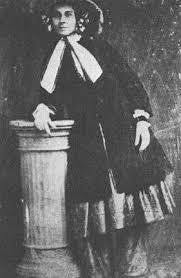
Initially, these women faced hard judgment for their clothing choices. Even today, women still face persistent societal pressure to dress in feminine ways—to always appear delicate and girly. You can only imagine what it was like back then.
With voluminous dresses, women were used to dressing up themselves as dolls with hair perfectly styled and elegant hants and fine jewelry adorned.
It is also important to the industrial landscape’s growth at that time.
When industries started forming, the demand for labor also increased, which marked an interesting turning point.
Women, previously confined to domestic roles such as taking care of the household, were now called to work in the industries—producing manufactured goods, mostly handmade ones.
However, women in manufacturing weren’t always seen in a positive light by society. By many, working outside the home and wearing pants were viewed as inappropriate.
Enduring the rough judgmental looks towards them, these women didn’t give up. Fashion-wise, Fanny Wright opened a door that set the stage for future fashion innovations. If she had never worn those “masculine” pants in public, Coco Chanel probably wouldn’t have created the first women’s long pants.
A new era in women fashion
More than just stylish clothing, Coco Chanel truly revolutionized fashion. She brought different types of clothing, with various ways of wearing and styling them, that people just weren’t familiar with yet—including women themselves.
Bold for prioritizing comfort, Chanel had a thought about women’s pants while horseback riding. She used to ride horses very often and greatly enjoyed it, and always felt the skirts were cumbersome.
The first idea she came up with was to wear men’s marine uniform pants. Large and comfy, these pants felt much softer and easier to wear compared to the long skirts and voluminous dresses.

Some time after that, she not only inspired other women with her boldness but also created women’s pants, a true scandal for the French Society from that epoch.
The critics didn’t stop her. With a free spirit for fashion and a vision ahead of other people from the 20th century, Coco Chanel kept investing in women’s fashion that aligned elegance and comfort, even if it meant surprising people and challenging the norm, creating a perception of independent women who can wear what they want and be whoever they want to be.
‘Denim’ as the symbol of the women from the new century
Women’s pants were revolutionary. It went from a masculine piece of clothing to a universal apparel, found in every wardrobe from the 20th century and beyond.
Fanny Wright and Coco Chanel started a movement that now we may see as something very common and wearing pants is not groundbreaking. But in retrospect, considering the society that women lived in, we can only imagine how disruptive these forms of dressing were.
Taking a glimpse into history, it was only in the 30s that wearing pants started to become more acceptable. Another woman that stacks a new mark for this movement is actress Marlene Dietrich, best known for Morocco (1930), wearing a full ‘masculine fit’: pants and a jacket, forming a ‘suit’ kind of outfit.

The one and only Audrey Hepburn, title character in Sabrina (1954), is another fashion icon from that epoche. Iconic for her classic and elegant visual, she brought the capri pants to popularity, a style of pants that adjusts well to the body.
She wore these pants in the movie. It appeared in cinemas all over Paris. Can you imagine how deeply she inspired more women to dress like her?
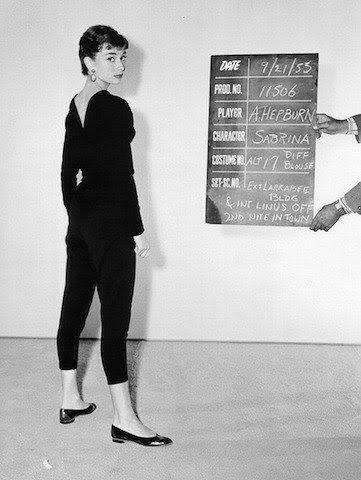
The movement of women wearing pants is not only about having another piece of clothing in their wardrobe. It is also a movement of freedom, of determination to break the chains that society has always kept tying onto us by telling women to dress, look, and behave a certain way.
But isn’t freedom and self-respect more important? Fanny Wright, Coco Chanel, Marlene Dietrich, and Audrey Hepburn can not only agree but show to the women from their era that fighting for what is better for them, whether it is on their outfits or on their social rights, is the right decision and the one which is going to benefit us the most.
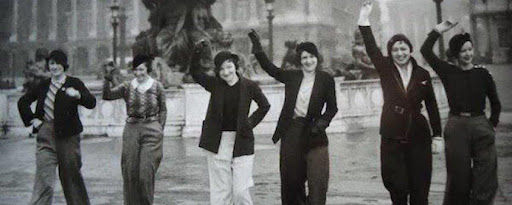
So, can you imagine your wardrobe without pants? If you’re not a big fan of pants, think of alternatives—something that other than skirts and dresses: long shorts, gardenwears, or even t-shirts.
All these versatile and modern outfits we can create today, some of them mixing what’s considered ‘masculine’ and ‘feminine’, have a big influence on how we started to accept pants as a unisex item.
A simple white t-shirt and denim pants are enough to create an outfit that is cozy and functional at the same time. Just think about all the combinations we can do today while dressing ourselves. We have the option to go simple or stylish; to put on a plain tee and shorts and call it a day or to wear a flowy dress and a pair of heels.
The woman from the 21st century is modern, independent, and determined. She may have high heels or a Converse all-star in her shoe, but she is certainly not committed to fitting in a box filled with rules about behavior and looks. She is more worried about chasing her dreams. That’s what Wright, Chanel, Dietrich, and Hepburn were also worried about. They are the women of the 21st century who came before us, paving the way for unisex clothing.
The main reflection for me is that fashion doesn’t have a gender, after all. It’s a way of self-expression and, more importantly, it needs to be comfortable and useful for whoever it is. As Anne Klein, an American stylist, once said: “Clothes won’t change the world; the women who wear them will.”

Moara Flausino
AUTHOR
Moara is a journalism student from Brazil with a passion for literature, poetry, and art. Since 2021, she has been working in writing and content creation, and she has two poems published in anthology books of poetry. Learning new things excites her, and she believes that embracing different forms of writing and expression is always inspiring. Her goal is to write as many stories as she can, sharing their uniqueness with the world.
 Culterate Blog
Leave a comment