“Poetry is one way of lending my voice to the unity of my country.“
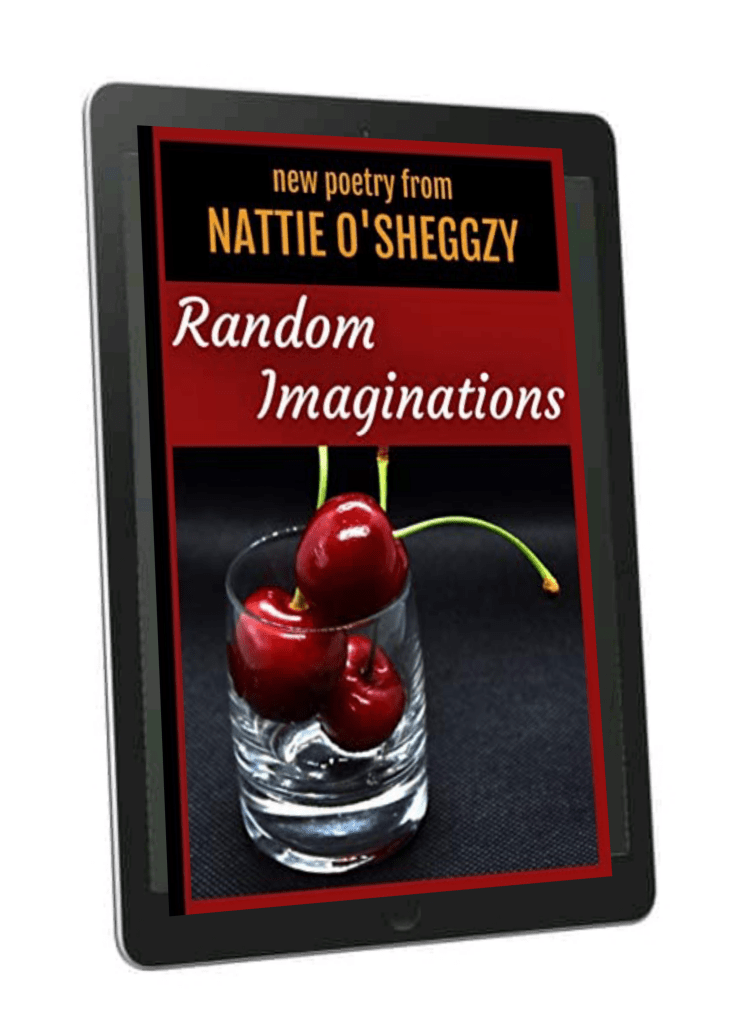
Random Imaginations
Poetry collection by Nattie O’Sheggzy
Nattie O’Sheggzy as a poet finds inspiration in life’s complexities. He has published two poetry collections: Random Imaginations and Sounds of the Wooden Gong. He’s featured in Sandy River Review and Smoky Quartz.

Read A Manly Monologue on Hate in our spring issue!
What inspired you to write A Manly Monologue on Hate? Was there a specific event or moment that triggered the theme?
Nattie O’Sheggzy recalls the fraught atmosphere of Nigeria in 2023, as the nation prepared for its general elections. “Tension was palpable everywhere,” he says. The country’s deep ethnic and religious divides were stirred by incendiary political campaigns. “It looked as if everything was about to tip and boil over.”
He remembers how some youth supporters became aggressive and foul-mouthed, using hate speech and body-shaming as tools of persuasion. “Caution was literally thrown into the winds,” he reflects. Although the elections eventually passed and calm returned, he warns that the hatred still lingers beneath the surface, waiting for another spark.
The refrain “So we need gather the ashes of our castle” appears in each stanza. What does this metaphor mean to you, and why did you choose to repeat it?
To Nattie, the metaphor of the “castle” represents Nigeria itself – a nation built painstakingly by its people, now threatened by internal fire. “Should we burn down the castle because we want a president from our region?” he asks, not expecting an answer, but hoping to provoke thought.
For him, repetition in poetry is more than rhythm – it’s a moral drumbeat. “It reinforces the importance of keeping the nation as one indivisible entity,” he explains. With every refrain, he reminds readers of their role in national unity, especially in times of political division.
The poem balances powerful imagery of destruction with a quiet call for reflection and healing. How do you approach that balance in your poetry?
“Art should be didactic and conclusive, especially when it addresses social issues,” Nattie insists. His goal is clear: the preservation of national unity. Though bound by professional restrictions that prevent him from engaging in partisan politics or even voting, he finds freedom in poetry.
“Poetry is one way of lending my voice to the unity of my country,” he says. Through pseudonyms and verse, he sidesteps silence and speaks his truth.
The piece feels both personal and political. Who is the ‘we’ in the poem? Is it society, a nation, or something more universal?
The “we” in his poem isn’t confined to one nation or one conflict. “Wherever there is conflict, you see confusion and exploitation of the vulnerable,” he says. The poem is both a local warning and a global appeal.
“All citizens of the world have a stake in promoting peace,” he continues, invoking the memory of Rwanda as a chilling example. For Nattie, the stakes are high, and the responsibility collective. “The world should be wise enough to avoid a repeat.”
Do you consider this poem part of a larger conversation or body of work on reconciliation or post-conflict healing?
Absolutely, he agrees. Since 2023, Nattie has penned several poems on the danger of hatred. “The world needs love now more than ever,” he says earnestly. He believes that crises, conflicts, and wars all begin with the same seed: hatred.
Looking back at his early poetic journey in the ’90s, he recalls being criticized for his bleak tone. “My friends said the world wasn’t an irredeemable jungle,” he laughs. But their words stuck. Now, he writes with a new urgency – to build a world not only livable but sustainable for future generations.
Your language is lyrical yet weighty with meaning. How would you describe your style, and who are your influences?
Nattie describes his style as rhythmic, metaphor-rich, and rooted in the oral traditions of African storytelling. “I like poems that are musical and expressive,” he says. He often uses rhetorical questions and repetition to spark reflection.
His influences range widely – from African oral poets to social justice writers. “Paradoxically, one writer I greatly admire is Henry James,” he says, citing James’ intricate sentence structure. “If I were to write fiction, I would love to study his style more deeply.” Wole Soyinka also makes his list of literary giants.
You often tackle difficult themes – identity, pain, social injustice. What drives you to write about these issues?
“Poetry is therapy,” Nattie says with conviction. It’s how he processes life in a region where speaking up can be dangerous. “If you live in my part of the world, you’ll understand what it takes to contend with social injustice.”
He sees his work as both a mirror and a megaphone. “I aim to educate and inspire change in my own little way.” Through poetry, he lends voice to the voiceless and builds bridges of empathy across divided experiences.
How do you navigate the space between storytelling and poetry in your work?
To Nattie, poetry and storytelling are siblings – two ways of making sense of the world. “Poetry is a lazy attempt to tell a lifetime story in one page,” he jokes. His poems often unfold like narratives, with clear arcs and emotional peaks.
He enjoys experimenting with structure, mixing traditional poetic form with narrative flow. What matters most to him is emotional resonance. “It’s about capturing the essence of a story in a way that lingers.”
Random Imaginations and Sounds of the Wooden Gong have different emotional textures. How do you decide which stories or emotions belong in which collection?
His first collection, Random Imaginations, is a time capsule – poems spanning over two decades. He organizes collections thematically, grouping poems that explore similar emotions or ideas. “Tone and atmosphere are critical,” he notes.
For Nattie, sequencing is an art form. He arranges his poems to create a journey – sometimes chronological, sometimes emotional. “I aim for a cohesive whole,” he says, one that resonates intuitively with the reader.
Your work has been featured in various literary platforms worldwide. What has your journey been like connecting with international audiences?
He admits the shift from private writing to public readership has been a learning curve. “I always try to put my best foot forward,” he says. But rejections? Plenty. “Sometimes, only the editors know why.”
Over time, he’s developed a healthy detachment. “I don’t lose sleep over submissions anymore,” he says with a smile. For Nattie, poetry is its own reward – publication is just a bonus.
What themes or ideas are you currently exploring in your writing?
He’s working on a new collection called Thank You, Rainbow – a poetic meditation on color, symbolism, and emotion. “It’s a poetry of colours,” he says. Though his day job often interrupts his creative flow, he remains determined. “The book will soon hit the market.”
Do you see poetry as a tool for change in today’s world? What role does the poet play?
He doesn’t pretend that poetry solves hunger or pays bills. “Do I think poetry puts food on the plate? No,” he says. But its societal role? Undeniable. “Poetry should tell stories, cast light on grey areas, and act as the conscience of a people.”
Read:
 Culterate Blog
Leave a comment