-

Am I Writing to Find Myself or to Prove I Exist?
What does it mean to write? As a poet, a writer, a student, a woman — well, honestly, I don’t know. I simply and physically cannot answer that question. Writing to me feels like the one thing I can never quite own, constantly slipping through my fingers like the sticky slime I used to construct…
-

Literary Journalism: Adding humanity, empathy and a full point of view to true stories
At first glance, journalism and literature seem like worlds apart, but when you look closely—adjusting the lens of your loupe—you’ll find remarkable similarities between them. What draws literature closer to journalism is their style of writing. Authors of fiction employ specific techniques to evoke emotion and vividly depict characters and settings, creating a sense of…
-

The Evolution of Horror: From Haunted Castles to Real-World Nightmares
Psycho (1960) Dark castles, ghosts rattling chains, and quicksand. Classic ingredients for a good old-fashioned horror story. But, like every recipe, horror is also not static. Over time it crumbles, learns from its ups and downs, and remodels itself. Horror evolves with our fears. When Gothic mansions and carriages were a thing, a ghost trapped…
-

Activism Through Poetry: How Gerard Sarnat Uses Verse as a Form of Protest
Gerard Sarnat MD has authored HOMELESS CHRONICLES, Disputes, 17s, and Melting Ice King. Gerry is published by Gargoyle, Newark Public Library, Blue Minaret, Columbia, Penn, Harvard, Brown, Yale, Pomona, Johns Hopkins, Stanford, Main-Street Rag, New Delta/ North Meridian/ Northampton/ Brooklyn/ LA/ Buddhist Reviews, American Journal Poetry, Poetry Quarterly, SF Magazine, NY Times. gerardsarnat.com “I must…
-
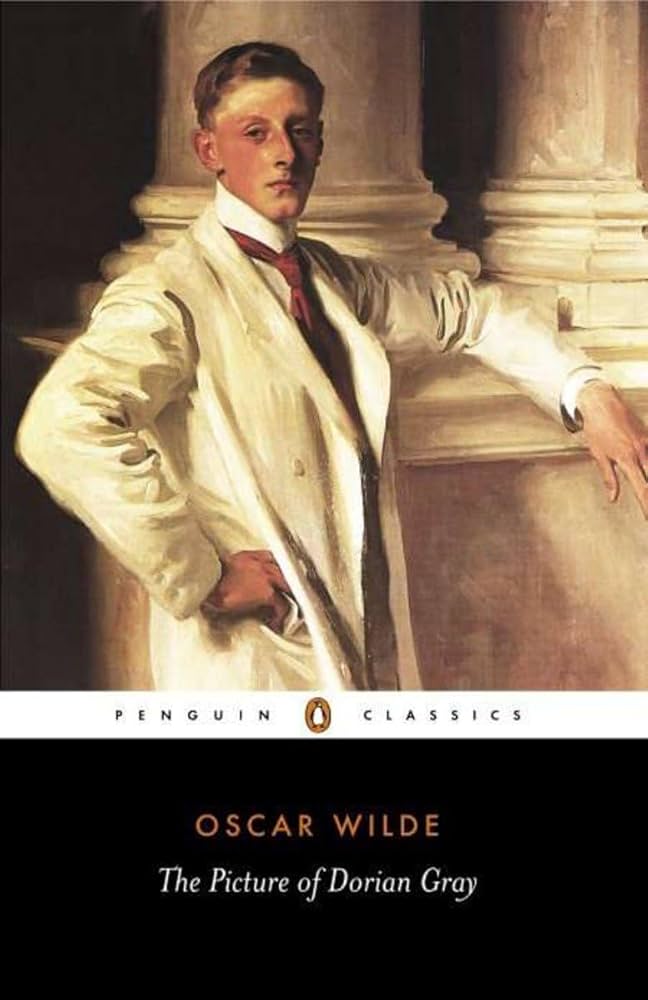
Beyond beauty: ‘The Picture of Dorian Gray’ is a story about how physical patterns and mental health are connected
Source: Google Images How far does our vulnerability go? As humans, we are susceptible to many factors in our lives, yet many of us struggle to cope with these emotions. Sometimes, these feelings leave us feeling unstable. Often, it’s a battle within ourselves, as we confront our true emotions in certain moments or situations. Hiding…
-

Dystopian Literature: Peeling Back the Layers of Society
Peace. Order. A perfect world. Or so it seems. Beneath this beautiful surface—polished to a shine so blinding it almost convinces—lurks something shadowed, something deep. Control. Manipulation. Violence that whispers where it can’t scream. This is how most dystopian stories are structured. From Orwell’s 1984 to Atwood’s The Handmaid’s Tale, dystopian stories don’t merely create false…
-

The Cultural Legacy of Obsolete Medical Practices in Global Literature
When I first delved into the world of literature, I was struck not just by the stories themselves but by the shadows they cast – shadows of medicine, health, and the human body. From Edgar Allan Poe’s chilling tales to Gabriel García Márquez’s surreal stories, literature has long been a mirror reflecting our societal fears,…
-
A Voice from Beyond: Women, Society, and Magical Realism in “The Shrouded Woman”
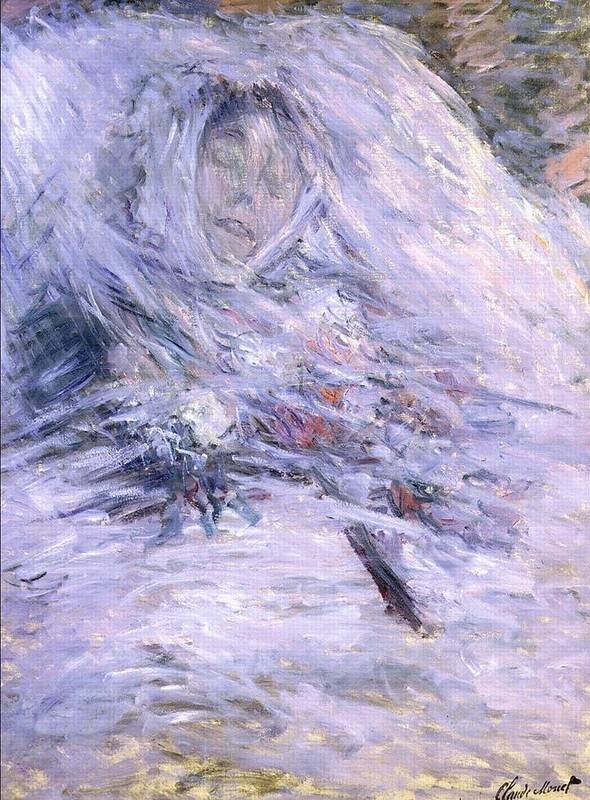
Claude Monet, Camille Monet on her deathbed, 1879 The Shrouded Woman is a novel by Chilean author María Luisa Bombal, first published in 1938. This classic work exemplifies the genre of magical realism, which blends fantastical elements with a realistic narrative, creating a dreamlike yet grounded portrayal of events. In magical realism, the extraordinary is…
-
Subscribe
Subscribed
Already have a WordPress.com account? Log in now.
 Culterate Blog