-

When Alice Found Me | A Chronicle of Literary Awakening
An illustration by John Tenniel from Lewis Carroll’s Alice’s Adventures in WonderlandPhoto: Courtesy of Retroimages/Getty Images Growing up in the early 1990s, I wasn’t the kind of kid who read Machado de Assis or memorized Shakespeare’s sonnets. I attended a public school in a city far from the capital, where education was precarious and basic. Until…
-

The Different Types of Unreliable Narrators
Truth is slippery. One thing we can be sure of is that when someone tells us a story, we are not dealing with reality itself. It doesn’t mean we are dealing with a lie. It just means that, at that moment, we are being given access to their version of reality, which is a completely…
-
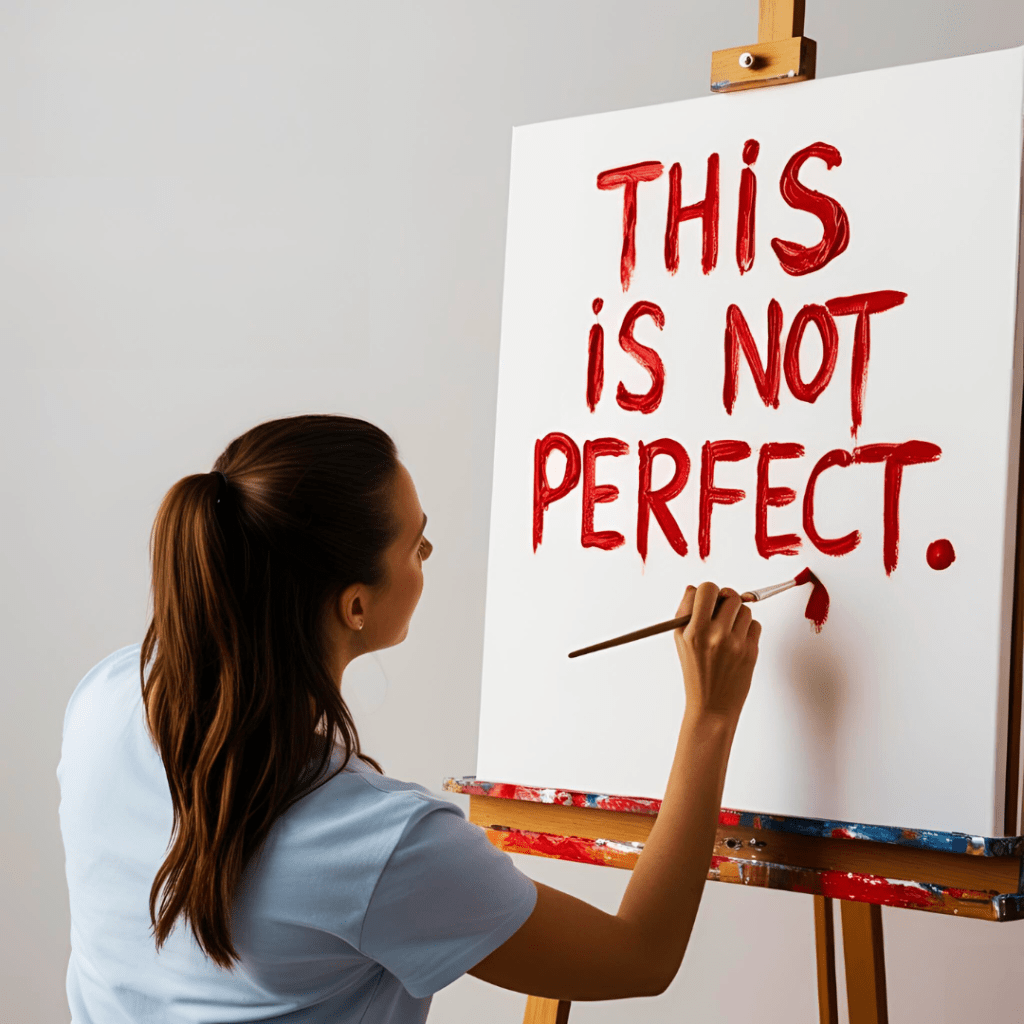
Why perfectionism is killing your creativity
Creativity is not a state of achieved perfection; it’s a willingness to dialogue with chaos, to dance on the edges of the abyss of “I don’t know”. When I was 11 years old, I wrote a poem about Brazilian folklore legends for a Portuguese class. When it was time to hand out the assignments, my…
-

The Evolution of Horror: From Haunted Castles to Real-World Nightmares
Psycho (1960) Dark castles, ghosts rattling chains, and quicksand. Classic ingredients for a good old-fashioned horror story. But, like every recipe, horror is also not static. Over time it crumbles, learns from its ups and downs, and remodels itself. Horror evolves with our fears. When Gothic mansions and carriages were a thing, a ghost trapped…
-

The Ethical Dilemma of AI-Generated Art
Whether in digital galleries, book covers, advertising, or even traditional art, artificial intelligence is already part of our world. For some, it is a tool that enhances creativity—a silent collaborator offering extra help when inspiration fails. Others, however, view this little extra help with skepticism. The debate surrounding AI in creative fields is both valid…
-

Dystopian Literature: Peeling Back the Layers of Society
Peace. Order. A perfect world. Or so it seems. Beneath this beautiful surface—polished to a shine so blinding it almost convinces—lurks something shadowed, something deep. Control. Manipulation. Violence that whispers where it can’t scream. This is how most dystopian stories are structured. From Orwell’s 1984 to Atwood’s The Handmaid’s Tale, dystopian stories don’t merely create false…
-
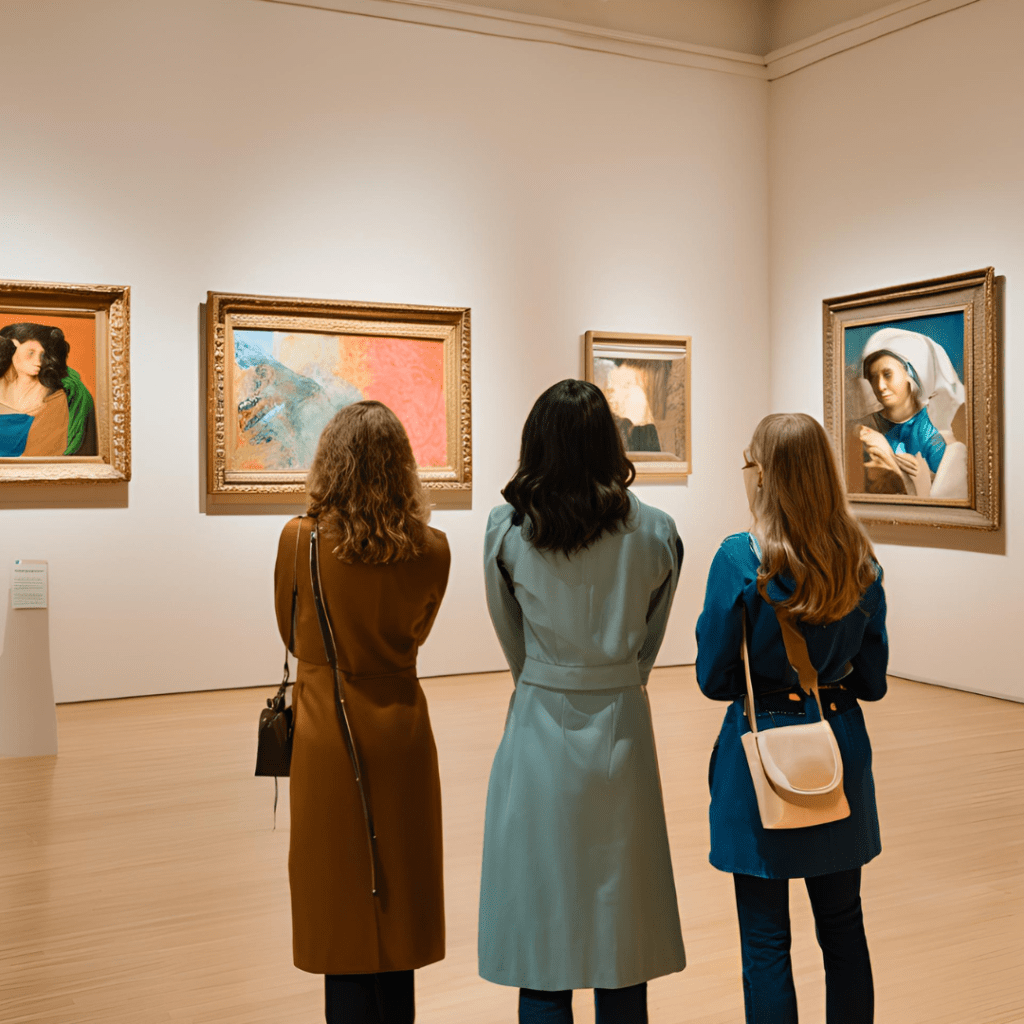
Beyond Beauty: The Power of Banksy’s Provocative Art
Art isn’t just about pretty things hanging on walls. At least, it shouldn’t be. It’s the unnoticed mural on a forgotten street corner, the masterpiece in a museum, or even the splash of graffiti scrawled in the dead of night. Art is supposed to make us feel — not that polite nod of approval when you pass…
-
Subscribe
Subscribed
Already have a WordPress.com account? Log in now.
 Culterate Blog