
Photo by Leif Niemczik on Unsplash
Libraries have long been the heart of literary culture—places where knowledge is preserved, stories are shared, and communities come together. However, in the digital age, where ebooks, audiobooks, and online resources dominate, traditional libraries face unprecedented challenges. As funding dwindles and physical book circulation declines, many ask: Are libraries becoming obsolete, or are they simply evolving into something new?
The Shifting Role of Libraries
For centuries, libraries have served as repositories of books and information. But with the rise of digital technology, their function is rapidly changing. Today, libraries are no longer just about physical books—they are becoming dynamic community spaces that offer:
Digital Archives and E-Book Lending: Many libraries now provide access to digital books, research databases, and online learning platforms.
Social and Educational Programs: From coding workshops to book clubs and author talks, libraries have expanded their services to engage the modern reader.
Public Access to Technology: Libraries increasingly offer free Wi-Fi, computer access, and even tools like 3D printers to bridge the digital divide.
Safe Spaces for Community Engagement: For underserved communities, libraries remain one of the few free public spaces for learning, creativity, and social support.
The Threat of Budget Cuts and Underfunding
Despite their evolving role, libraries face major financial challenges. Many public libraries rely on government funding, which is often cut in favor of other priorities. The consequences include:
Staff Reductions: Fewer librarians mean less guidance for readers and researchers.
Limited Resources: Physical book collections shrink, and digital subscriptions become unaffordable.
Library Closures: Many small-town libraries have shut down, leaving communities without access to essential educational tools.
The Rise of Digital Libraries: A Double-Edged Sword?
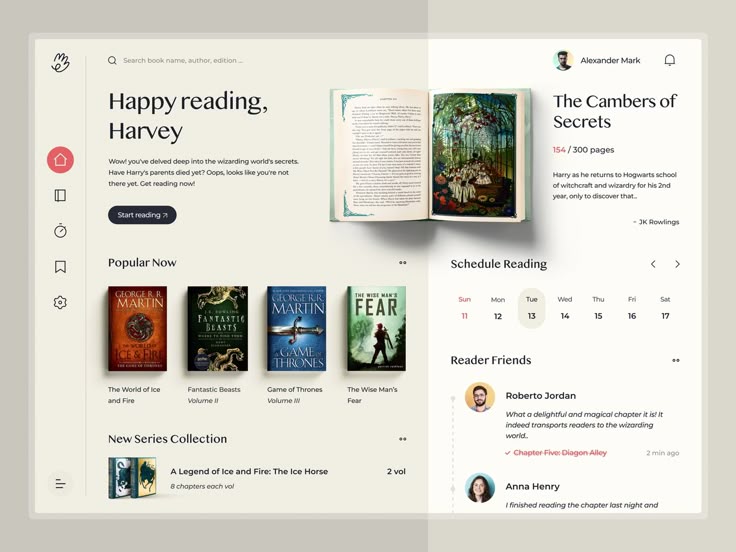
Digital libraries and e-book lending services, such as OverDrive and Libby, allow readers to borrow books from anywhere. While convenient, this shift presents new challenges:
Licensing Costs: Unlike physical books, which can be borrowed indefinitely, e-books require costly licenses that expire after a certain number of uses.
Publisher Restrictions: Some publishers limit how many times an e-book can be loaned, reducing accessibility.
The Decline of Physical Reading Spaces: As digital borrowing increases, fewer people visit libraries in person, threatening their relevance as physical institutions.
Libraries as Hubs for the Future
Despite these challenges, libraries are proving their resilience by adapting in innovative ways:
Hybrid Models: Combining physical and digital resources ensures accessibility for all types of readers.
AI and Big Data in Libraries: Some libraries are using AI to analyze reader trends and improve book recommendations.
Community-Driven Spaces: More libraries are focusing on cultural programs, creative workshops, and mental health initiatives to serve broader needs.
Conclusion: Evolution, Not Extinction
Libraries are not disappearing—they are transforming. While physical book circulation may decline, their role as educational, technological, and community centers is more vital than ever. However, their survival depends on continued funding, innovation, and public engagement.
So, will libraries thrive in the digital age? The answer lies in how well they balance tradition with technology, ensuring that they remain accessible, inclusive, and essential for generations to come.

Refilwe Queen
AUTHOR
Refilwe Queen is a passionate freelance writer dedicated to exploring the complexities of human existence through her work. She brings a fresh perspective to storytelling, blending creativity with thoughtful analysis to create content that engages and inspires. Driven by an insatiable curiosity, Refilwe seeks to uncover new ideas and share insights that encourage others to think deeply and live authentically.

 Culterate Blog
Leave a reply to Biblioteki przyszłości: między hologramem a humanizmem – BGPW blog Cancel reply